TRAINING
Mule Packing School
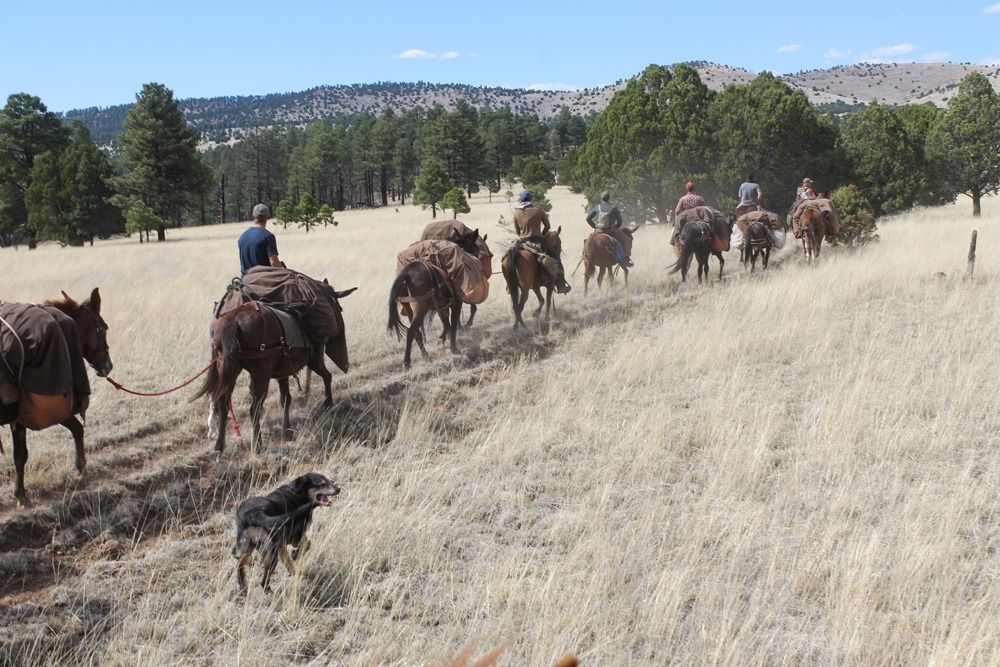
The focus is to train students for long-term, sustainable, and safe use of horses and mules in backcountry or wilderness areas.
It is very important to learn how to correctly lead a pack string safely.
Learn from an expert with patience and specialized training on how to guide them over difficult terrain, reduce rider fatigue, prevent injuries to the horses and mules, and successfully cross rivers, switchbacks, and rocky conditions with care.
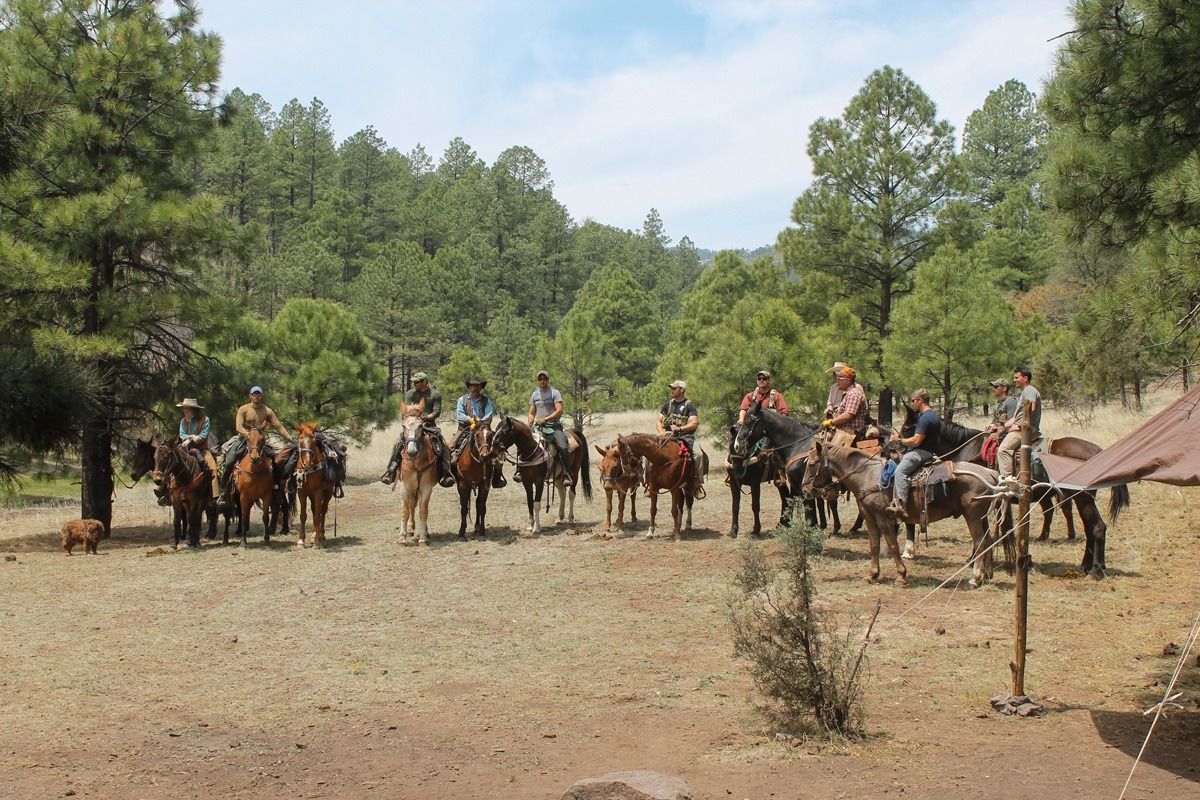
Students Who Commonly Attend the School
- Equestrians who enjoy backcountry riding and endurance sports
- Backpackers and wilderness campers
- US Forest Service, US Fish and Wildlife, and National Park Service employees
- BLM and State Agencies
- US military – specialized mountain terrain training for gear transportation on specific missions
- Boy Scouts
Topics Covered
- Knowledge of all equipment needed
- Technical use of hitches – learn the 5 different hitches: Box, Diamond, Barrel, Basket, and Blind George
- Horse & Mule behavior and observation skills
- How to lead a pack or string over difficult terrain
- How to set up camp for overnight safety: Highlining, Grazing Principles, Feeding, Weather, Rotation, and Leave No Trace Camping
- Feed and care in the backcountry
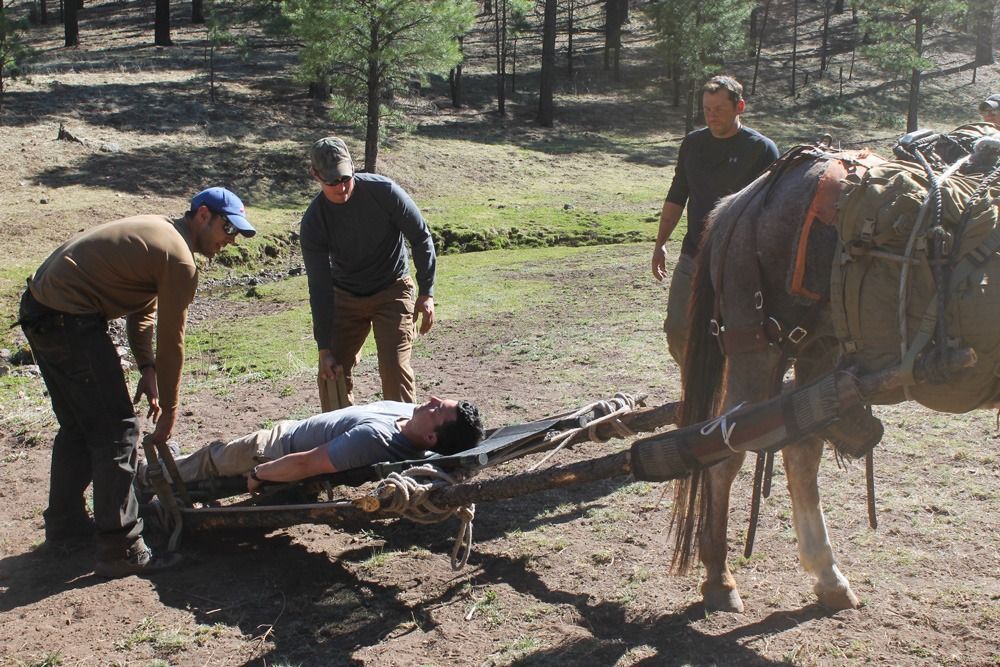
- Equine first aid – stay alert and ahead of symptoms of Colic, Dehydration, Hidden Injuries, Infections, Open Wounds, and Fatigue. Learn how to spot and treat them
- Shoe knowledge and hoof care – learn the physical attributes of the hoof, its function and benefits, and get the opportunity to practice shoeing
- Situational Awareness of the environment – Develop daily plans based on equine and mule health, weather, and destination
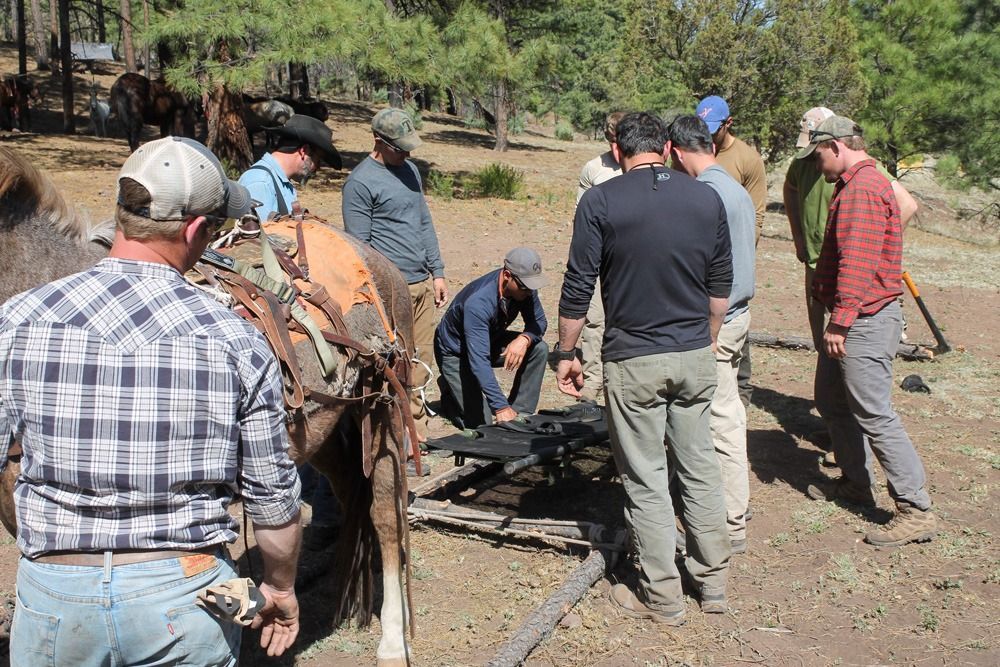
5 Day Mule Packing School Itinerary
Day 1 & 2:
- Train at the ranch and trailhead
Day 3, 4 & 5:
- Wilderness Camping with Mules; return and leave on the 5th day of training
5 Day Mule Packing School Fee -
$255.00/Day plus 9.1% tax (5 Days Training)
2026 Schedule
Blue Wilderness
March 22nd -26th
April 5th - 9th
April 12th -16th
April 26th - 30th
Gila Wilderness
May 10th -14th
May 17th - 21st
May 31st - June 4th
June 7th - 11th
July 5th - 9th
July 12th - 16th
July 19th - 23rd
July 27th - 31st
Aug. 9th - 13th
Aug. 16th - 20th
Aug. 23rd - 27th
Sept. 6th - 10th
Sept. 13th -17th
Sept. 27th - Oct. 1st
Mule Packing School
March 8th - 12th
April 5th - 9th
May 17th - 21st
June 28th - July 2nd
Aug. 5th - 9th
Oct. 4th - 8th
Nov. 8th - 12th
Military Mule Packing School
Master the art of military mule packing & horsemanship—train for real-world challenges in extreme terrain.
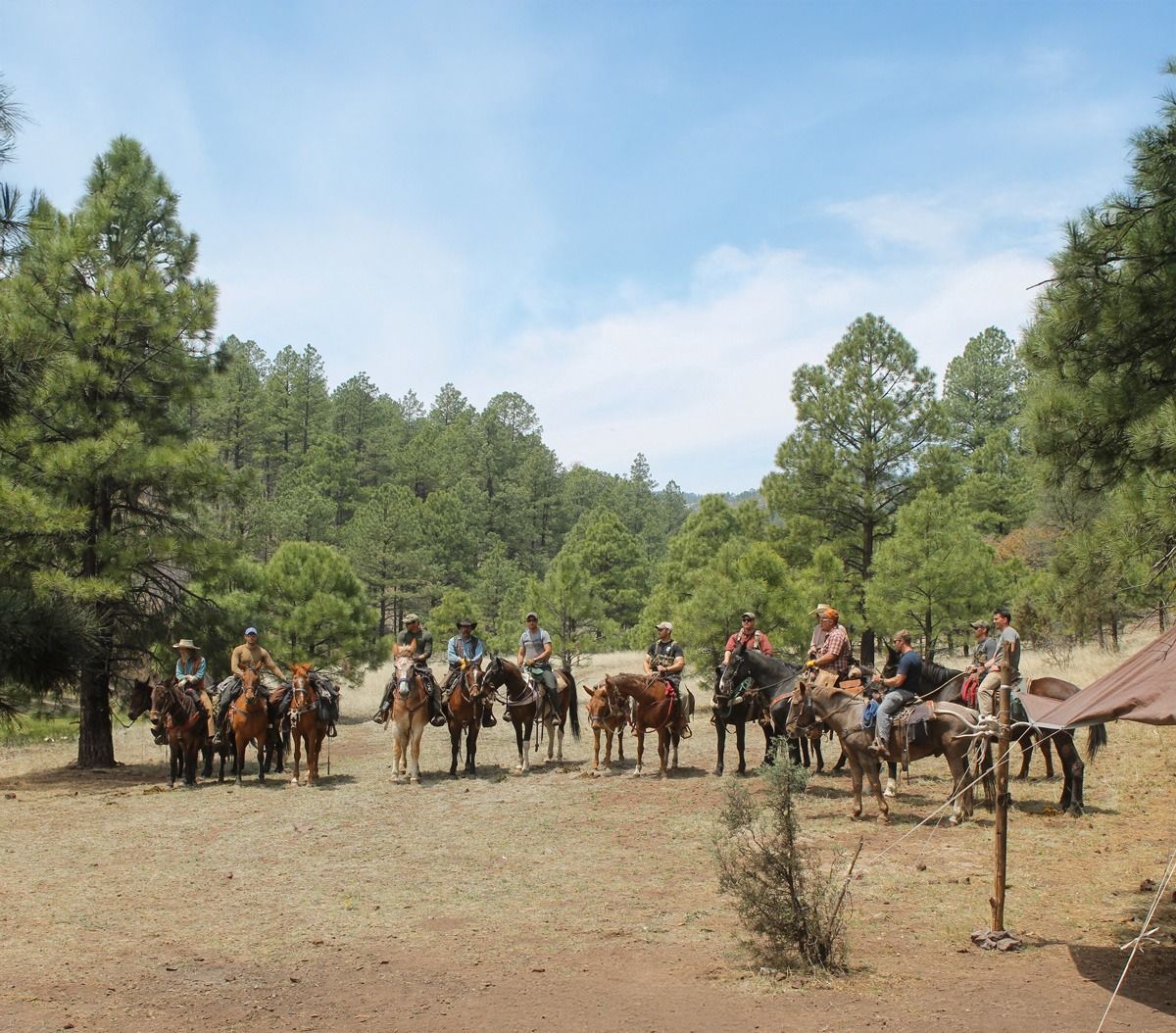
Topics of Training
- Specialized in military mountain training
- From basic training to advanced extreme terrain travel
- Mule packing training focuses on odd-shaped items, difficult loads, and heavy equipment transport
- Horsemanship training to guide multiple pack mules through difficult terrain
- Nighttime travel, with and without night goggles
- Judging equine potential for prior use, elevations, and purchases
- In-field equine first aid
- Preventive measures to ensure healthy performance over long periods of in-field use
- Gain awareness of equine health status at-a-glance
- Gila Wilderness provides the best terrain challenges in the world
Military Training Program
U-Trail’s instructors bring over 100 years of combined mountain packing experience across some of the most demanding terrain in the world. Thousands of pack trips and hunts in diverse landscapes give our trainers an unmatched depth of knowledge.
Our work ranges from 14,000-foot alpine terrain to low-elevation desert environments. We train soldiers and students to ensure their mountain packing and horseback operations are safe, efficient, and sustainable during extended in-field missions.
Training also covers health and safety prevention techniques and practical problem-solving for challenging field situations.
Equine Relationship & Performance
- Building strong handler–equine partnerships through intentional relationship development.
- Understanding the physiological structure and movement of the horse to identify strengths and vulnerabilities.
- Preventive care techniques to reduce risk of injury and improve long-term performance.
Horsemanship Training
- Develop a safe, reliable partnership with your horse.
- Train your mount to carry and respond to the lead with confidence.
- Learn how to lead a pack string through challenging terrain.
- Build skills to manage unsafe or unexpected situations while leading a pack string.
- Apply essential safety techniques for long-term, in-field success.
Camping With Equine
- After-work observation training
- Camping with horses – herd management, watering, feeding, grazing, high-lining (night and daytime high-lining), hobbling
- Shoeing training
- Managing fatigue issues
- Weather-related problems
Mule Packing Training
- Five different packing techniques handle odd-shaped materials, difficult loads, and heavy equipment transport
- Learn to secure mule loads for safe movement over steep and extreme terrain situations
Night Travel
- Train with and without night goggles for safe nighttime activities
Gila Wilderness
- Provides the best training environment in the world
- Mountainous 8,000’ alpine country
- Difficult rocky/steep terrain
- River/creek crossings
- Extreme remote landscapes
- Wildlife encounters
Equine First Aid & Observation Training
- Learn to observe behavioral changes in working equine to prevent health issues
- In-field equine first aid for:
- Open wounds
- Colic
- Saddle sores
- Hoof issues
- Regeneration of fatigued animals
- Train to determine the health and well-being of your equine partner at a glance
Situational Problem-Solving
- How to handle problems on the trail
- Steps to get moving again
Equine Performance Evaluations
- Helpful training in selecting and purchasing equine
Natural Horsemanship School
Build trust, communication, and a deep connection with your horse
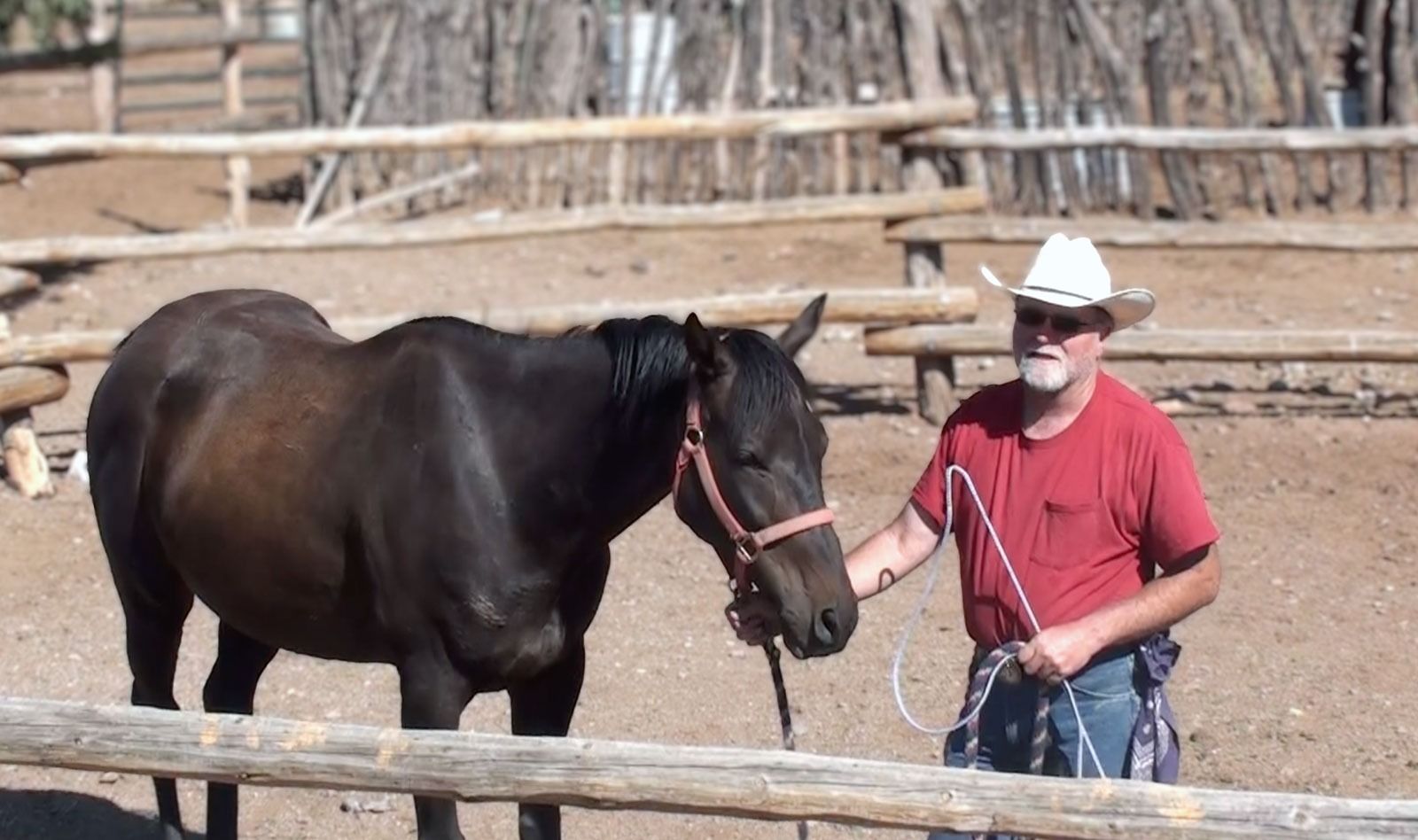
What is Natural Horsemanship?
For thousands of years, many cultures have forged a relationship with the horse. The horse has taken on the role of service, working alongside people in many ways. As this role has evolved, people have sought expert horse trainers who share their experiences on how to develop a deep, profound friendship with the horse.
Much of this relationship is based on patient kindness to understand and know the subtle communication of the horse’s natural way of being in the herd.
People today interact with the horse differently than as a past cavalry mount, plow for the fields, or pulling a buggy for transportation.
Today, research reveals more about the horse. Places like the Institute of Heartmath have studied how horses bring people into a more coherent state of being, making them feel naturally calm and in a truer natural state.
This is helpful in letting go of unhealthy learned habits or nervous system dysfunctions stuck in heightened, prolonged states of fight, flight, and freeze, which cause dis-ease, anxiety, or PTSD.
Having a more natural coherent state of being gives someone a reference point to heal and find their own normal calm true self. They attain confidence, feel clearer, and can navigate life more effectively as an empowered observer instead of unnecessarily reacting to external influences.
There are other related studies that say horses make people smarter. We will discuss why and how this is possible.
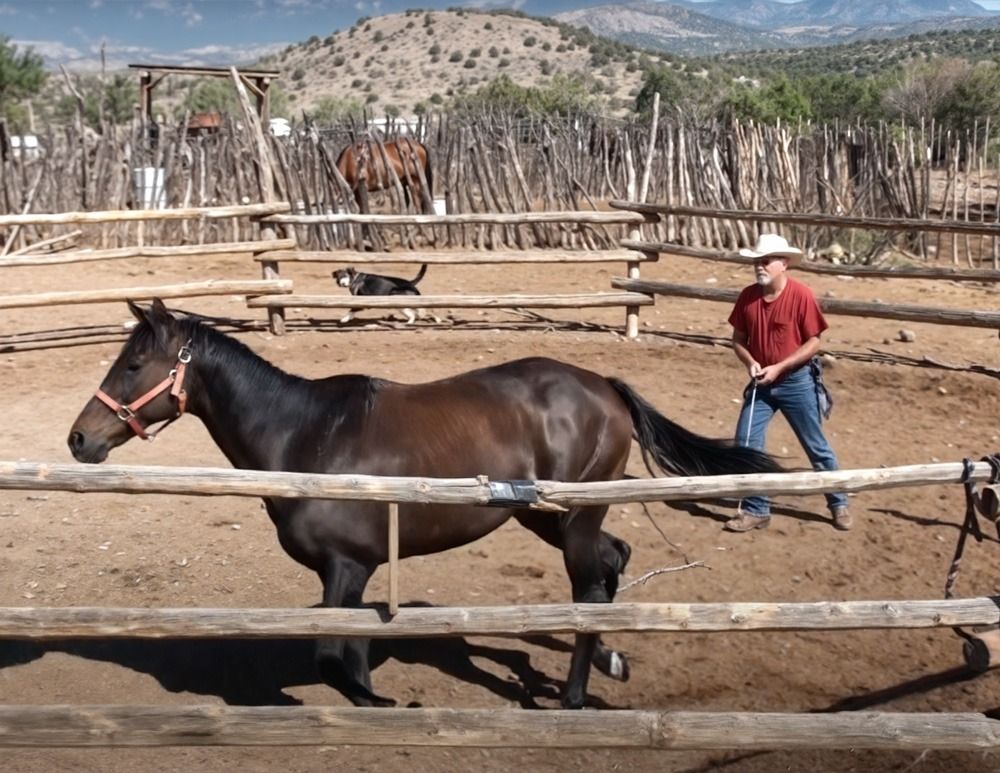
How Does Someone Do or Learn Natural Horsemanship?
The phrase “Horse Whisperer” became popular in the 80s and 90s when pioneer trainers sought a better way of kindness toward the horse. They aimed to transition from force or power over the horse to a communication built on concepts of trust and harmony, developing a positive relationship with mutual participation.
They found this approach not only helped them relate more successfully with horses, but also with themselves, others, and overall life. Thus, Equine Assisted Therapies developed and have become very helpful for many people of different ages and challenges they may have.
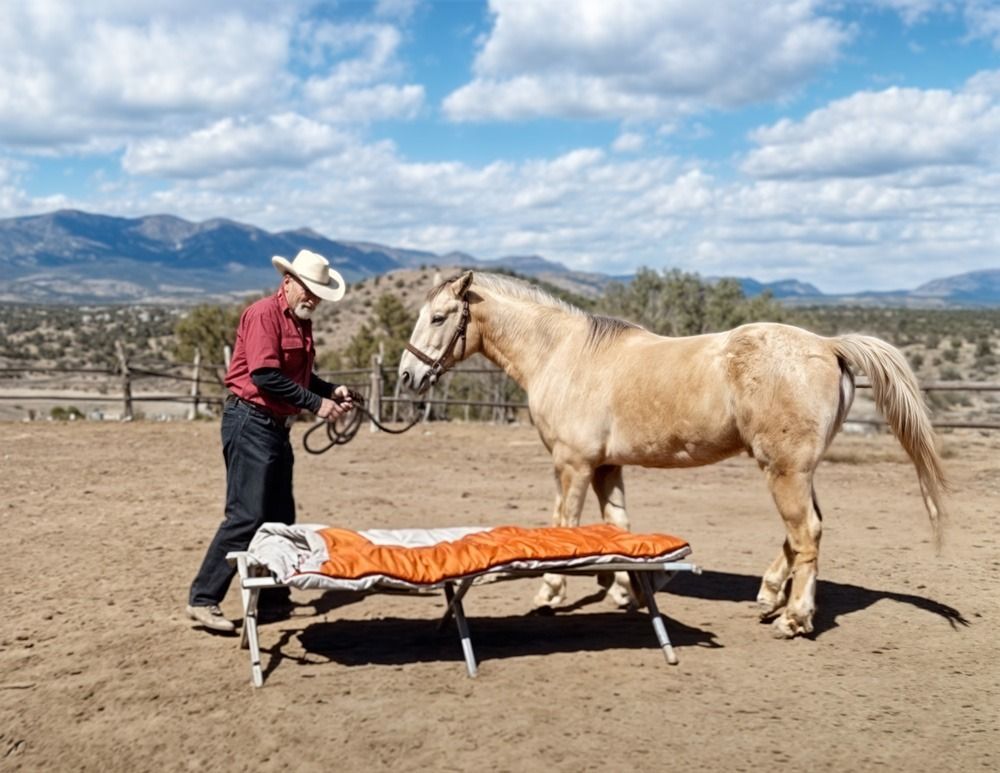
How Can We Grow and Learn?
Learning with your horse is meant to be relaxed, fun, and enjoyable, as well as safe. Nature and laughter are some of the best medicines!
We present ways to hear the whispers of your horse through subtle awareness, communication, and body language. You can build a successful rapport without words, and it is a very meaningful experience that many say nourishes their spirit deeply.
It starts with you knowing your own self better—understanding your thoughts, intentions, personality, and attitude. This includes the way you walk, your posture, how you relate to the space around you, and how you move, all of which make a difference to the horse. The unspoken nuances are tools you can apply to improve many aspects of your life experience.
A few examples of what we will explore include how horses see movement in their periphery, while we see more forward-focused as predators. Horses also have four legs on the earth, and we have two—this is helpful to understand as you learn.
With this wisdom and skilled foundation, you can add the technical aspects of riding to form a very unique, special friendship. For non-riders, it is also beneficial to improve and build on your unique friendship with life.
Itinerary for On-Site Participation
| Schedule |
|---|
| 8:30 am: Breakfast (coffee/tea available earlier upon waking) |
| 9:00 am – 12:00 pm: Morning Session |
| 1:00 pm – 2:00 pm: Lunch |
| 2:00 pm – 5:00 pm: Afternoon Session |
| 5:30 pm: Dinner |
(Same schedule each day; we will plan for any special dietary needs you may have)
Relaxed evening campfire, conversation, music, and stargazing
Arrival Day
Introduction and discussion – meet each other and the horses, mules, and the land, while enjoying a refreshment and snack.
Day 1
- Nature follows the flow of rhythms and timing. It has an effortlessness to this flow, and horses abide by this rhythm. We practice techniques on how it creates calmness and trust for you that can be brought into your intentions of connecting with your horse.
- You will learn to meet them where they are naturally. Think of it as the first layer of subtle knowing or awareness you get to play with.
- And the bonus is you get to know yourself better too (even if you never ride a horse).
- This day explores empathy, clear boundaries, kind asking, listening skills, presence in the moment, connected awareness of your environment, and what it feels like to be very grounded and in tune with the earth.
Day 2
- Nuts and bolts of respecting the horse’s strength and beauty. How to take care of your horse.
- We will explore first aid and consistent safety habits.
- What does your horse need for the best care? Equipment and gear for your and the horse’s long-term comfort and health. Grooming for success.
Day 3
- The groundwork dance. Technical in-hand unmounted and mounted riding skills.
- Influencing your horse’s gaits and advanced skills. Practice at shaping their behavior to build a foundation for both of you.
- Advanced riders can be challenged, and non-riders can just watch or participate with another person. Your level of comfort and the horses’ is respected at all times.
- Putting the layers of communication together as a combined experience. How you learn to cue your horse and shape behavior with release and pressure techniques.
- Departure Day
- Breakfast as usual, followed by morning discussion, Q&A, and review.
- Snack for the road.
Horsemanship School 3-Day In-Person Training
Pricing - $275.00/Day plus 9.1% tax (3 Days Training)
